

Teaching Your Child to Pronounce the 'R' Sound Correctly
Pronouncing the 'R' sound can be challenging for many children. This article explores simple and effective methods to help your child master this sound through games and exercises.
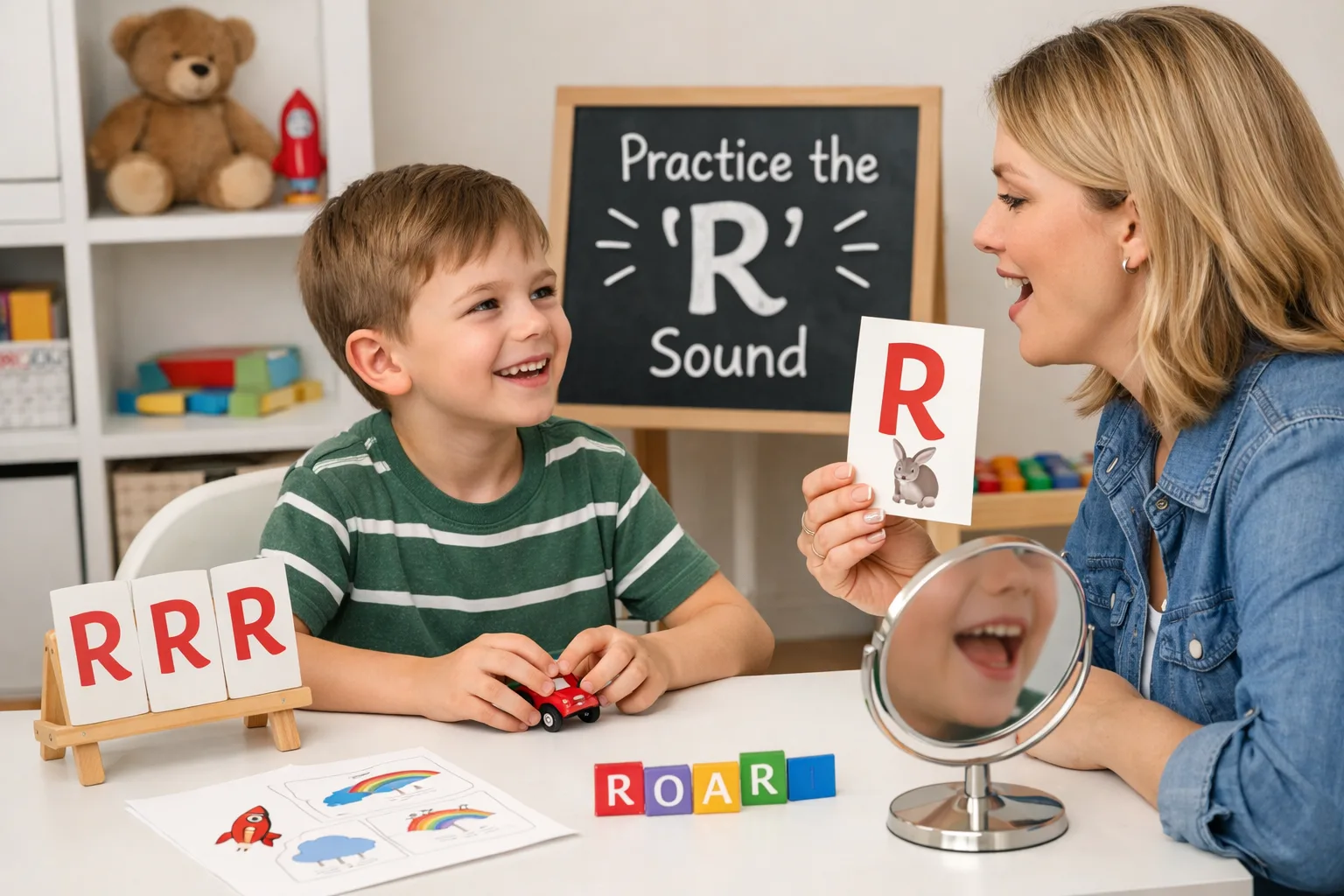
Mastering the 'R' sound is one of the most challenging aspects of a child's speech development. Many children struggle with it, but with the right approach and parental patience, this process can become easier and even enjoyable. It's crucial to remember that each child develops at their own pace, and what works for one may not work for another. Therefore, being attentive to your child's needs and characteristics is essential.
Correct pronunciation is fundamental for speech development. The 'R' sound is common in many words, so it's vital for children to articulate it properly.
- Why is it important to teach your child to pronounce the 'R' sound correctly?
- What does the learning process look like in everyday life?
- Common mistakes during training
- Easy ways to help your child master the 'R' sound
- Additional exercises for articulation development
- What to do if your child cannot pronounce the 'R' sound?
- When to consult a specialist
- When to seek professional help
Why is it important to teach your child to pronounce the 'R' sound correctly?
Correct pronunciation is fundamental for speech development. The 'R' sound is common in many words, so it's vital for children to articulate it properly. This not only facilitates communication but also boosts their self-confidence. If a child struggles with this sound, it may lead to feelings of awkwardness or insecurity when interacting with peers or adults. Additionally, mastering the 'R' sound can positively impact their academic performance, especially in reading and writing, where phonetic awareness is crucial.
What does the learning process look like in everyday life?

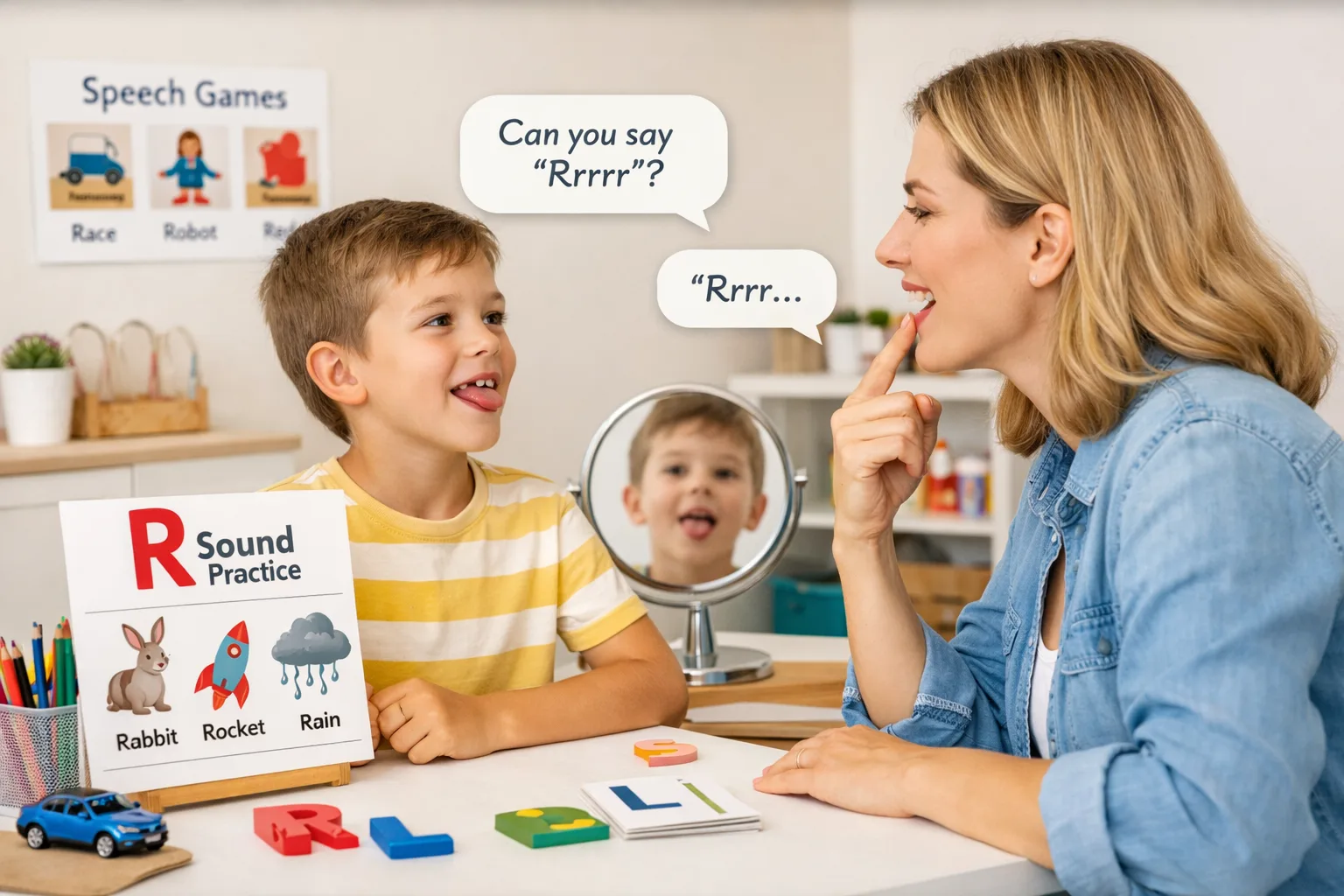
Incorporate simple exercises and games into daily life to make learning fun. For example:
- Word Game: Take turns naming words that contain the 'R' sound. This can range from a simple memory game to a more complex version with additional rules. For instance, you could create a challenge where each word must start with a different letter, but still include the 'R' sound.
- Articulation Exercises: Engage in activities that strengthen tongue muscles, such as sticking the tongue out and moving it around the mouth. You can also use playful challenges like trying to touch the tip of the nose with the tongue.
- Reading Aloud: Read books together that feature plenty of words with the 'R' sound. Choose rhyming stories or fairy tales where this sound frequently appears. This not only helps with pronunciation but also enhances vocabulary and comprehension.
Common mistakes during training
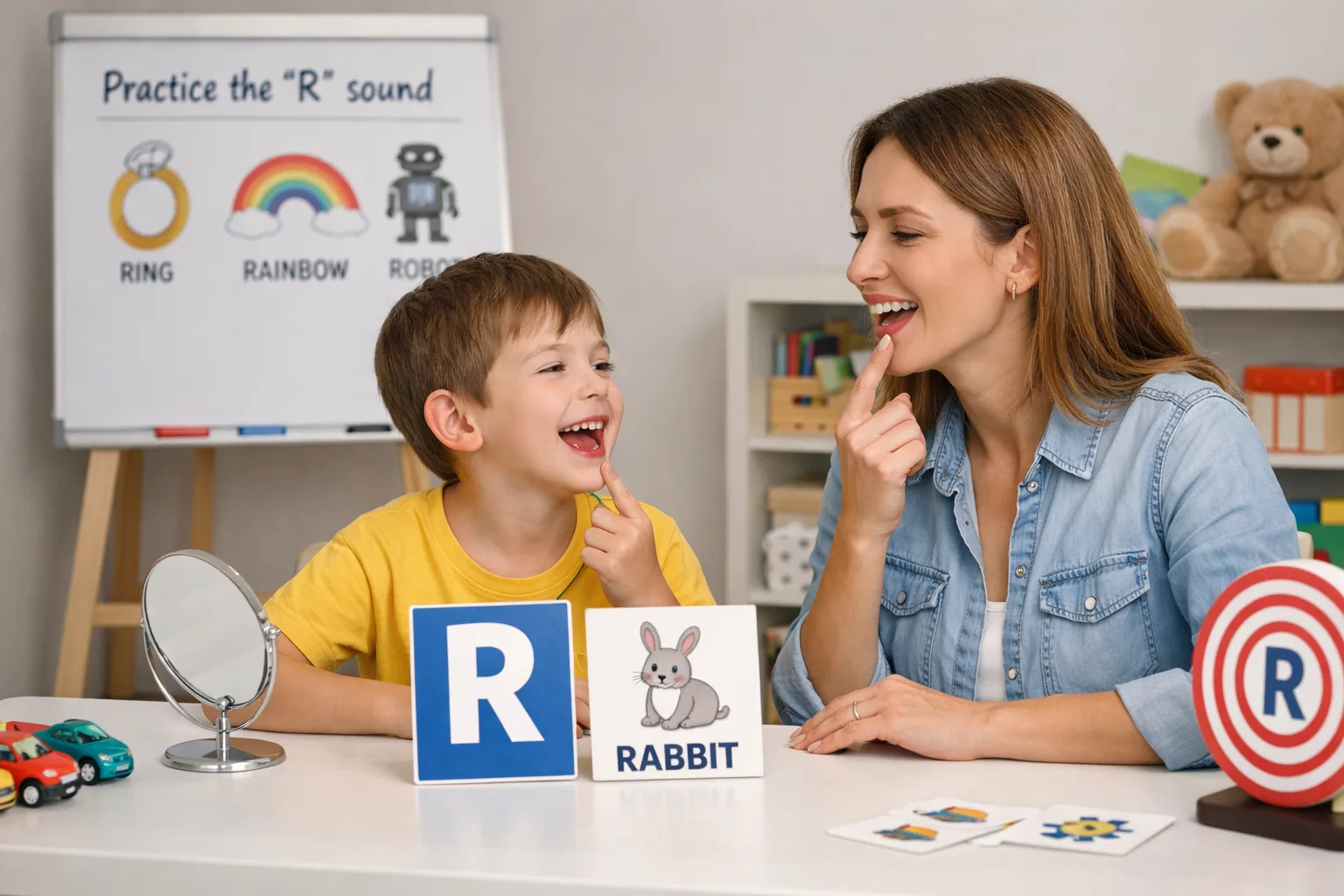
Parents often make mistakes that can hinder the learning process:
- Incorrect Corrections: Instead of constantly correcting your child, encourage them to practice. It's better to highlight their successes than to focus on mistakes. For example, if they say "wabbit" instead of "rabbit," praise them for attempting the word and gently prompt them to try again without making them feel embarrassed.
- Insufficient Practice: Regular practice is key to success. Incorporate pronunciation into your daily routine. For instance, set aside a few minutes during playtime or while walking outside. Make it a habit to point out objects that contain the 'R' sound in your environment, such as "car," "tree," or "bird."
Easy ways to help your child master the 'R' sound
Here are some straightforward tips:
- Play Games: Use board games that require saying words with the 'R' sound. Classic games where players quickly name words starting with a specific letter can also be effective. You can even create a scavenger hunt where they have to find items that start with 'R.'
- Sing Songs: Children love music! Sing songs that include many words with the 'R' sound, whether popular music or children's songs. Create fun rhymes or jingles that emphasize the 'R' sound and encourage them to sing along.
- Create a Language-rich Environment: Surround your child with words and sounds that feature the 'R' sound. For example, use flashcards with pictures of items that start with this sound. You can also label objects around the house that contain the 'R' sound, such as "refrigerator" or "rug."
- Encourage Reading: Read books together that contain this sound. This can include not only fiction but also children's encyclopedias or reference books. Discuss the stories and ask questions that prompt your child to use the 'R' sound in their answers.
- Use a Mirror: Have your child watch themselves in a mirror while pronouncing the sound. This helps them control their tongue and lip movements. You can also model the correct pronunciation for them to imitate while they watch their own mouth movements.
Additional exercises for articulation development
Besides games and reading, you can also introduce specific articulation exercises. Here are a few:
- Air Exercises: Ask your child to puff out their cheeks and then release air through their mouth. This helps develop control over facial muscles. You can make it a fun activity by pretending to be a balloon that needs to deflate.
- Sound Exercises: Use sounds similar to 'R' for your child to repeat, such as 'L', 'D', or 'T' combined with the 'R' sound. For example, practice words like "drum" or "larva" to help them transition between sounds.
- Articulation Flashcards: Create cards with pictures of objects containing the 'R' sound and practice saying them together with your child. You can turn this into a matching game where they match pictures with words.
What to do if your child cannot pronounce the 'R' sound?
If your child continues to have difficulty pronouncing the 'R' sound, don't panic. This is a common issue, and many children need more time. Here are some tips:
- Consult a Speech Therapist: If you notice that your child cannot pronounce the 'R' sound after reaching a certain age (usually around 5-6 years), it may be time to seek professional help. A speech therapist can provide tailored strategies and exercises suited to your child's specific needs.
- Maintain a Positive Attitude: Avoid putting pressure on your child or forcing them to pronounce the sound in stressful situations. Encourage them to communicate in a relaxed environment, emphasizing that mistakes are part of learning.
- Avoid Comparisons: Every child develops at their own pace. Steer clear of comparing your child to others, as this can lead to negative emotions. Instead, focus on their individual progress and celebrate small victories.
Teaching your child to pronounce the 'R' sound correctly can be a fun and rewarding experience. By applying these simple techniques and tips, you can support your child's speech development. Remember, patience and regular practice are key to success. Don't forget to celebrate even the smallest achievements your child makes in this important endeavor!
When to consult a specialist
Working with an expert becomes necessary when independent attempts do not yield desired results.
- You spend too much time without visible progress
- The cost of errors is too high
- You need a personalized strategy
A qualified specialist can help you achieve goals faster and avoid mistakes. They can also provide resources and support tailored specifically for your child's needs, ensuring a more effective learning experience.
When to seek professional help
Working with an expert becomes necessary when DIY approaches no longer yield results.
- you are spending too much time without visible progress
- the cost of a mistake is too high
- you need a personalized strategy
A qualified specialist will help you achieve your goals faster and avoid common pitfalls.
Specialist Profile
If the material is related to a specialist, a button to go to their public profile may be nearby.
Go to Profile