

Streamlining Your Workflow: 3 Simple Changes You Can Make Today
Implementing straightforward adjustments to your workflow can significantly boost your productivity. Let's explore three easy steps you can take starting today.

In today's fast-paced world, where time equates to money, optimizing your workflow is essential for any profession. Many of us face daily challenges that hinder our ability to complete tasks efficiently. But what if I told you there are three simple changes that could dramatically enhance your productivity? Let’s dive into these adjustments.
Before we delve deeper, here’s a quick overview of what you can do: Set up automated reminders Implement a client inquiry tracking system Gather feedback after service delivery 1.
What three changes can improve your workflow?
Before we delve deeper, here’s a quick overview of what you can do:
- Set up automated reminders
- Implement a client inquiry tracking system
- Gather feedback after service delivery
1. Set up automated reminders for clients

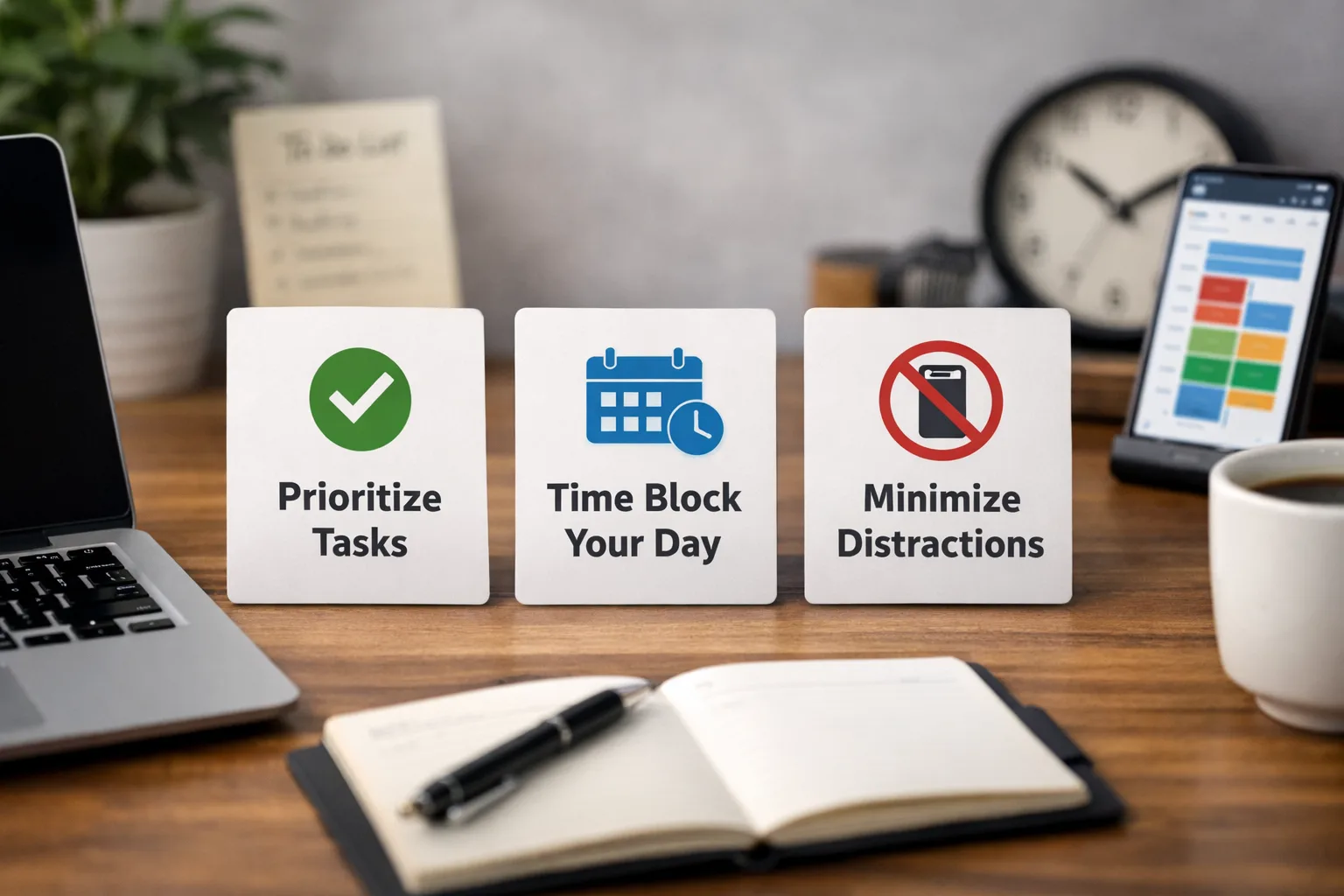
Automated reminders can significantly lighten your schedule. You can utilize various tools like Google Calendar or specialized project management software. For instance, if you work with clients, set up automatic reminders for meetings or project deadlines. This will help you stay organized and alleviate stress related to missed deadlines.
Moreover, automated reminders keep your clients informed about important dates, such as upcoming meetings, payment deadlines, or project completion dates. When your clients receive these reminders, it enhances their satisfaction with your service, as they feel their needs are being considered.
To implement automated reminders effectively, start by identifying key dates that require notifications. For example, if you have a monthly review meeting with a client, set a reminder for one week in advance to prepare adequately. Additionally, consider sending follow-up reminders closer to the date to ensure everything is on track.
Using tools like Zapier can help integrate different applications you use daily. For instance, you could set up a workflow that automatically generates reminders based on your calendar events. This level of integration not only saves time but also minimizes the risk of overlooking important tasks.
2. Create a client inquiry tracking system
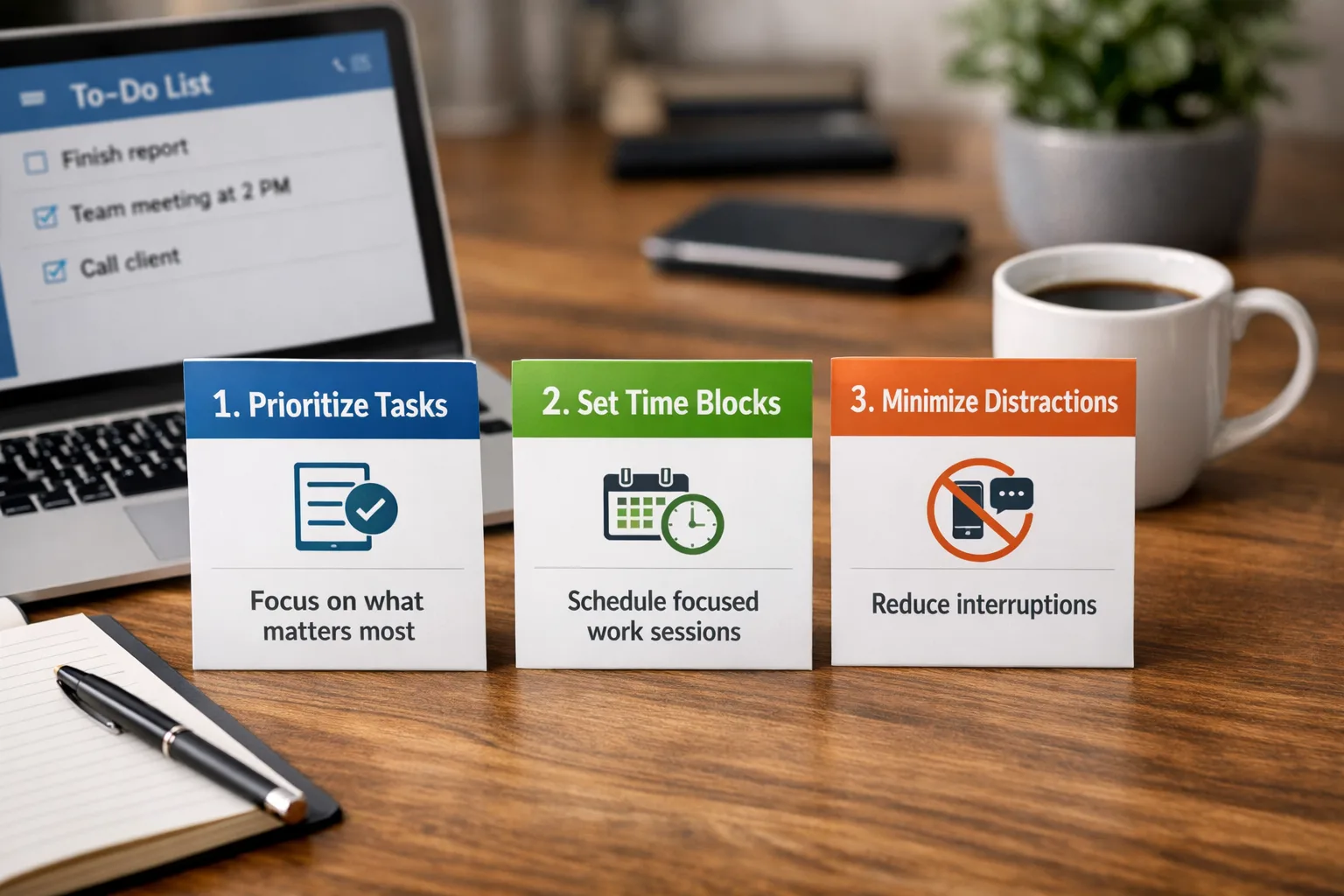
You should also implement a system for tracking client inquiries. This could be as simple as an Excel spreadsheet or a dedicated CRM system. It's crucial to be able to respond promptly to inquiries and maintain communication with your clients.
A tracking system helps you organize information about each client and their needs. For example, you can note which questions arise most frequently, which services are in high demand, and how quickly you respond to inquiries. This not only improves customer service but also reveals opportunities for enhancing your offerings.
To create an effective tracking system, start by categorizing inquiries based on their nature. For example, you can have sections for general questions, service-specific queries, and feedback. This classification allows you to analyze trends over time and adjust your services accordingly.
Moreover, consider integrating a feedback loop into your tracking system. After resolving an inquiry, ask clients if they were satisfied with the response time and quality of information provided. This not only improves your service but also builds trust with your clients.
3. Effective methods for collecting client feedback after services
Don't overlook feedback! After providing services, ask your clients for their opinions. You can use simple surveys or even personal calls. This not only helps you improve your services but also shows your clients that their opinions matter.
Feedback can be an invaluable tool for refining your business. By collecting insights, you can identify weaknesses in your services or processes and understand what works well. For instance, if many clients mention that a particular aspect of your service was especially helpful, you can focus on further developing that area.
To effectively gather feedback, consider using tools like SurveyMonkey or Google Forms to create online surveys that are easy for clients to fill out. Keep the surveys concise and focused on key areas of your service. Asking specific questions about what clients liked or disliked can yield more actionable insights.
Additionally, personal follow-ups can deepen the client relationship. A simple phone call or email thanking them for their business and asking for their thoughts can go a long way in making clients feel valued. Remember to act on the feedback received; showing clients that you take their opinions seriously can enhance loyalty and satisfaction.
Why are these changes important?
Each of these changes will not only simplify your workflow but also increase your clients' satisfaction levels. In a competitive business environment, it’s essential not just to do your job but to do it efficiently.
Optimizing your workflow also allows you to save time and resources. By implementing automation and tracking systems, you reduce the risk of errors and enhance task accuracy. This means you can concentrate on more critical aspects of your business, like strategic planning and developing new services.
Moreover, by streamlining your workflow, you create more time for innovation and creativity. When mundane tasks are automated or simplified, you and your team can focus on brainstorming new ideas, improving existing services, or even exploring new markets.
Ultimately, these changes contribute to a more organized work environment, where everyone knows their responsibilities and deadlines. This clarity fosters a culture of accountability and teamwork, leading to better overall performance.
Common mistakes in workflow optimization
When implementing new systems, it's vital to avoid certain pitfalls:
- Failing to set up reminders - this can lead to missing important deadlines.
- Ignoring feedback - without it, understanding client needs is impossible.
- Overcomplicating systems - choose simple solutions that are easy to implement.
When trying to optimize your workflow, remember that simplicity is key to success. Complex systems can lead to confusion and delays. It’s better to implement straightforward solutions that are easy to understand and use.
Additionally, failing to involve your team in the optimization process can lead to resistance or lack of buy-in. Ensure that everyone understands the purpose behind the changes and how they will benefit from them.
Lastly, don’t forget to regularly review and refine your systems. What works today may not be effective in six months. Stay adaptable and open to making necessary adjustments as your business grows and evolves.
Practical tips for implementing changes
Here are some practical tips for executing these changes:
- Start with one tool and gradually add new features.
- Regularly assess the effectiveness of the implemented changes.
- Discuss innovations with your team and gather their feedback.
Evaluating effectiveness is crucial. Define key performance indicators (KPIs) that will help you measure the success of your changes. These could include task completion times, client satisfaction levels, or the number of missed deadlines. Regularly review these metrics and adjust your strategies based on the data collected.
Discussing innovations with your team can also yield significant benefits. Involve your employees in the decision-making process; they may provide valuable ideas and suggestions that will help improve your systems.
Finally, consider setting up a regular review process where you assess the tools and methods being used. This could be a monthly meeting where you discuss what’s working and what isn’t, allowing for continuous improvement.
In summary
Optimizing your workflow can be simple and accessible. By implementing these three changes—automating reminders, establishing a tracking system, and gathering feedback—you will not only enhance your productivity but also improve client interactions. Remember the importance of simplicity and regularly monitoring your processes. Take the first step today and watch for positive changes in your work!
When to seek professional help
Working with an expert becomes necessary when DIY approaches no longer yield results.
- you are spending too much time without visible progress
- the cost of a mistake is too high
- you need a personalized strategy
A qualified specialist will help you achieve your goals faster and avoid common pitfalls.
Specialist Profile
If the material is related to a specialist, a button to go to their public profile may be nearby.
Go to Profile