

Overcoming the Fear of Public Speaking in 5 Simple Steps
Feeling anxious about public speaking? Here are 5 straightforward steps to help you conquer your fear and boost your confidence.
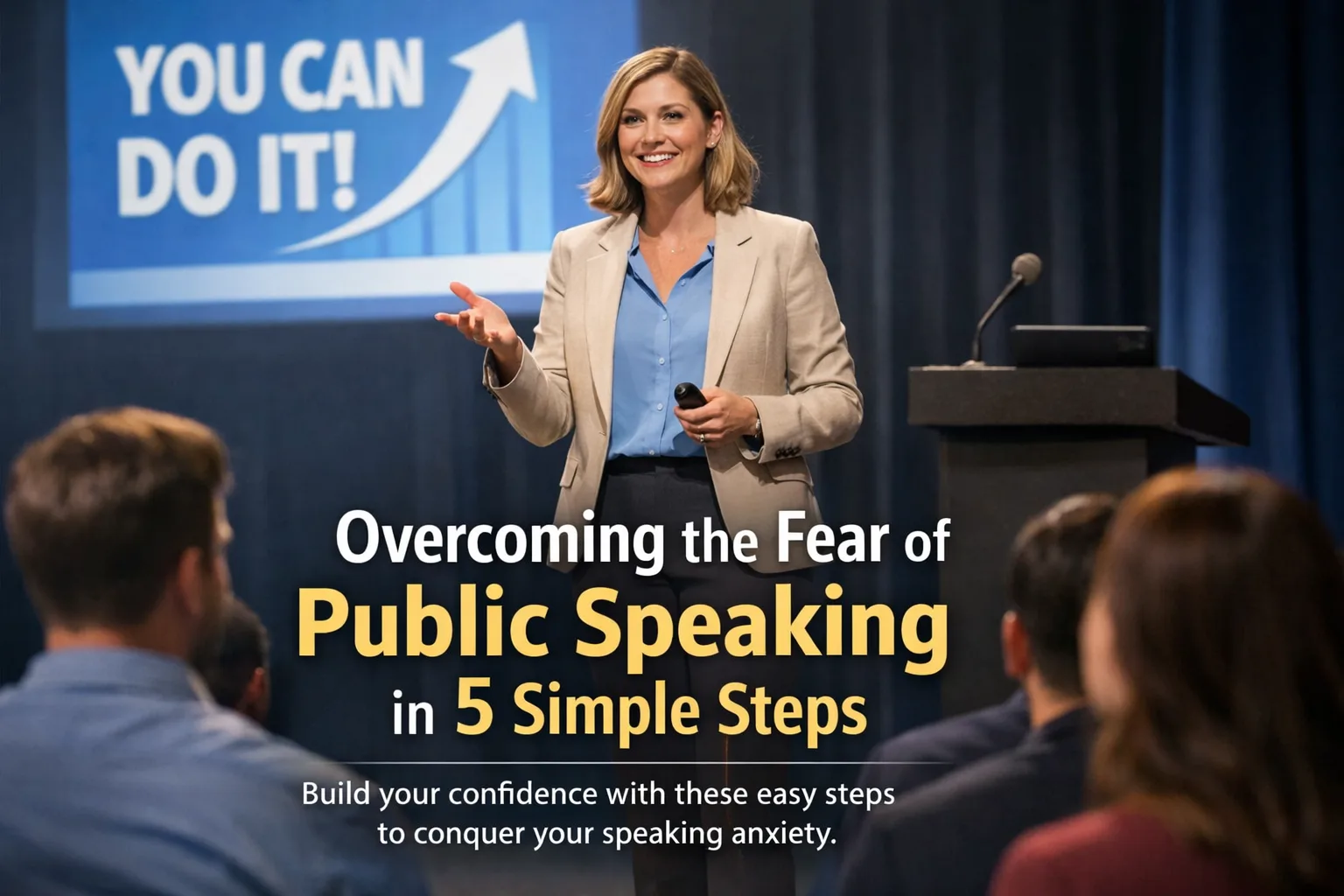
Public speaking can be daunting for many individuals. From anxiety about the audience to fears of making mistakes, these feelings are completely normal. However, there are effective strategies to help you manage these emotions. Here are 5 simple steps you can take to overcome the fear of public speaking.
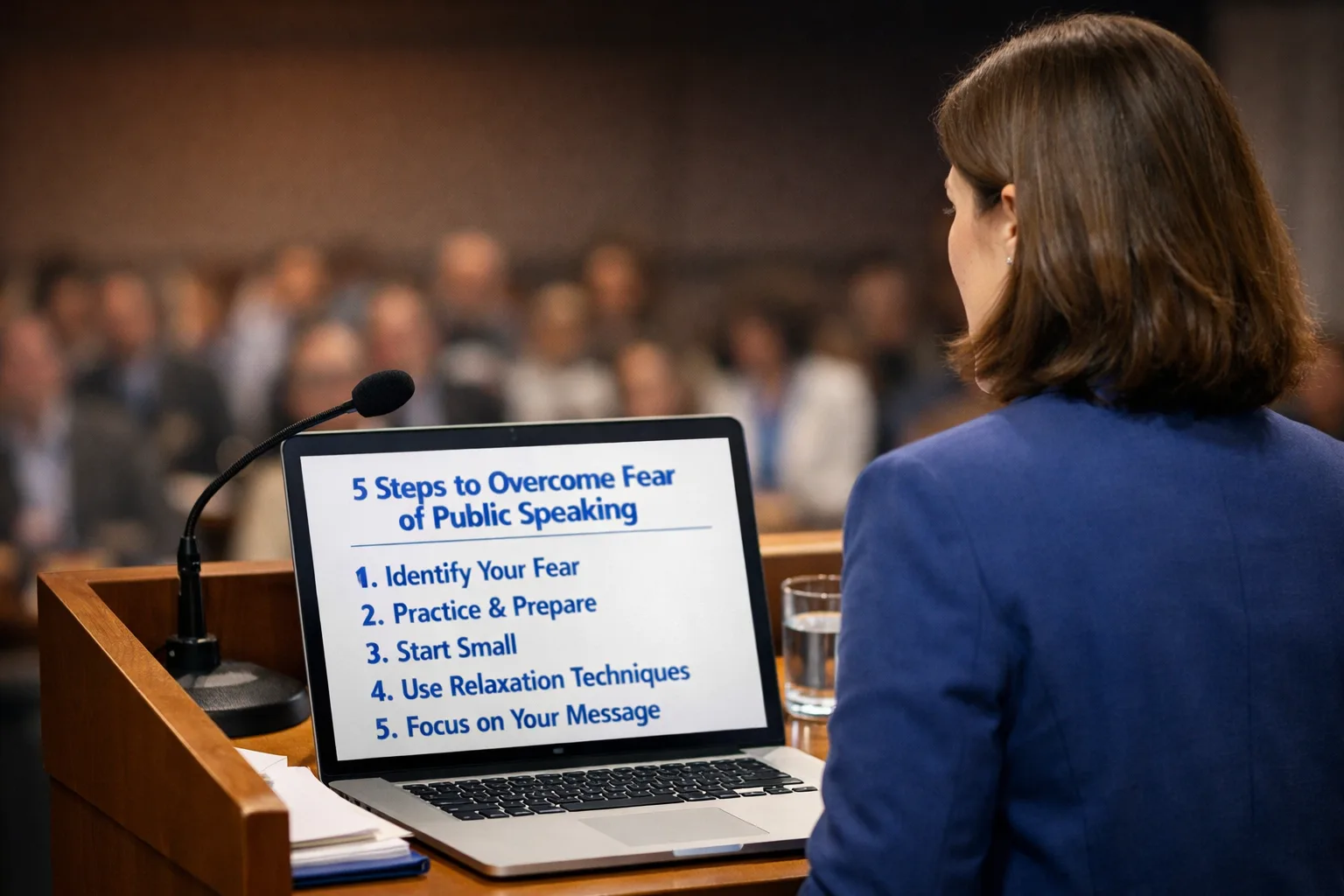
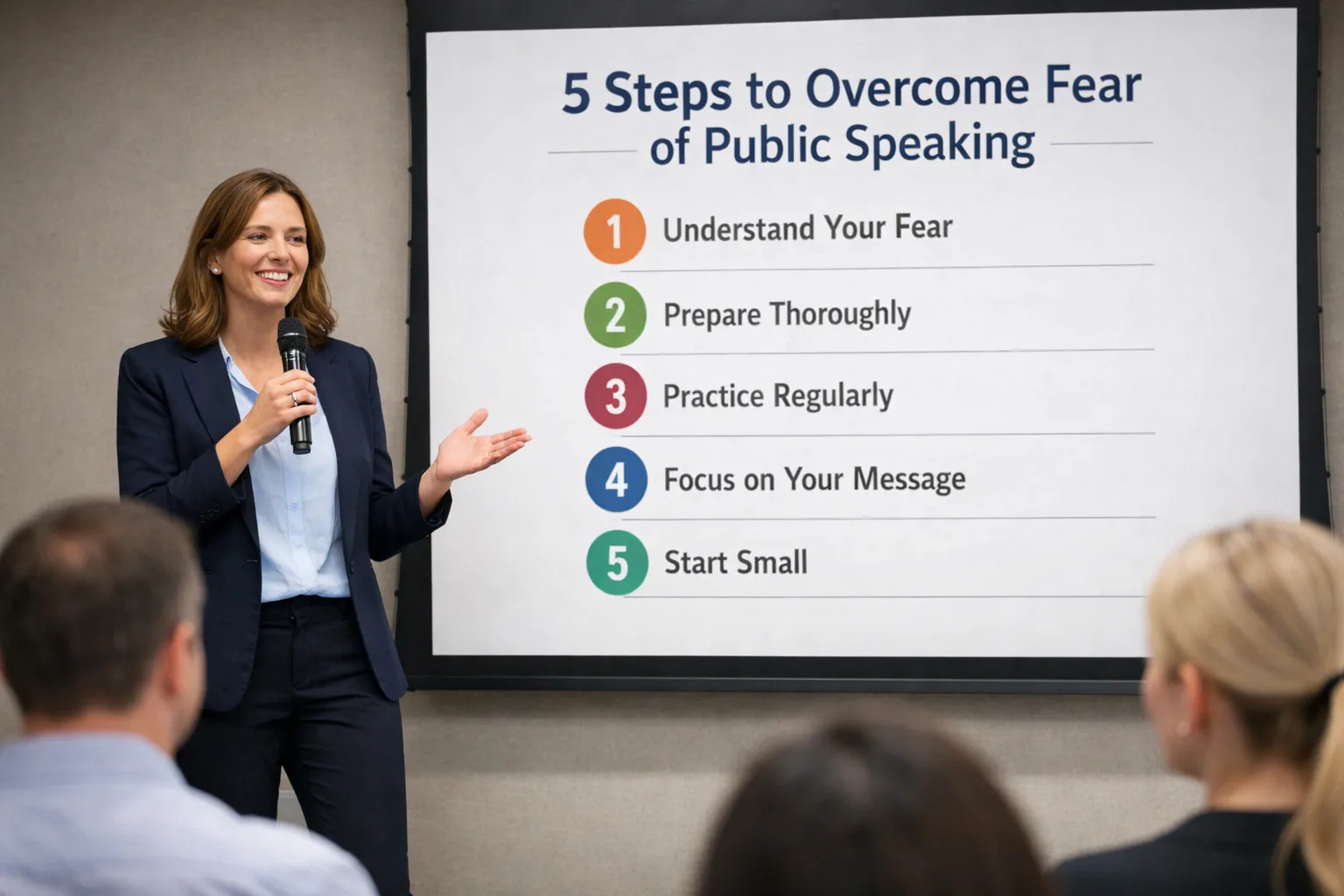
1. Understand Your Fear Before you can change anything, it's essential to understand what you're facing. Reflect on what exactly causes your fear. Is it the fear of being judged?
1. Understand Your Fear
Before you can change anything, it's essential to understand what you're facing. Reflect on what exactly causes your fear. Is it the fear of being judged? Or perhaps the worry of not mastering the material? Identifying the source of your anxiety is the first step toward overcoming it. Sometimes, it's helpful to recognize that fear is a natural response in situations that push us out of our comfort zones. Remember, you are not alone in your feelings; many people, even seasoned speakers, experience similar emotions.
To delve deeper into understanding your fear, consider keeping a journal to document your thoughts and feelings about public speaking. Write down specific instances where you felt anxious, and analyze what triggered those feelings. This self-reflection can provide valuable insights into your emotional landscape, allowing you to address your fears more effectively.
2. Preparation and Practice

The better prepared you are, the less fearful you'll feel. Create an outline for your speech, break it down into logical sections, and practice it multiple times. You might even consider recording your presentation to review and improve it later. Practicing can involve various methods: try rehearsing in front of friends or family to gain feedback. You can also use a mirror to observe your facial expressions and gestures, which will help you feel more confident during your delivery.
Additionally, familiarize yourself with the venue where you'll be speaking. If possible, visit the space beforehand to get comfortable with the environment. Knowing the layout, the technology you'll be using, and the acoustics can significantly reduce anxiety on the day of your presentation. Consider practicing in the actual space if you have the opportunity; this will help you feel more at ease when it's time to speak.
3. Breathing Techniques
Deep breathing is an effective way to reduce anxiety. Before you speak, take several deep breaths in and out. This will help calm your nerves and allow you to focus on the content of your presentation. One technique to try is the "4-7-8" breathing method: inhale for a count of 4, hold your breath for 7 seconds, and exhale for 8 seconds. This practice can help relieve tension and clear your mind.
Incorporating breathing exercises into your daily routine can also be beneficial. Spend a few minutes each day practicing deep breathing or mindfulness meditation. This will not only help you manage anxiety related to public speaking but also enhance your overall well-being and resilience in stressful situations.
4. Visualizing Success
Visualization can significantly impact your confidence. Before your speech, close your eyes and imagine yourself successfully delivering your presentation, receiving applause and positive feedback. This mental rehearsal will help you set a positive tone for your performance. Try to create a vivid mental picture of how you interact with the audience and how they respond to your words. Not only will this boost your self-esteem, but it will also make you feel more comfortable during the actual presentation.
To enhance this visualization technique, consider creating a vision board or a mind map that outlines your goals as a speaker. Include images, quotes, or phrases that inspire you and remind you of your strengths. Regularly revisiting this visual representation of success can reinforce your confidence and motivate you to take action toward overcoming your fears.
5. Engaging with the Audience
Make an effort to connect with your audience. Ask questions or involve listeners in discussions. This approach not only alleviates your anxiety but also makes your presentation more interactive and engaging. You could start with a simple question related to your topic or invite audience members to share their experiences. When you see their reactions, it can provide support and diminish your fear.
Moreover, consider using humor or personal anecdotes to create a relatable atmosphere. Sharing a light-hearted story can help break the ice and establish rapport with your audience. Remember that they are not just there to listen to you; they are also interested in connecting with you as a speaker. The more you engage with them, the more confident you will feel.
Overcoming the fear of public speaking takes time and practice. By following these straightforward tips, you can become more confident in your abilities and enjoy the process of communicating with your audience.
Additional Tips for Confidence
In addition to the five main steps, here are some extra tips that might help you conquer your fear of public speaking:
- Know Your Audience: Understanding who your audience is will help you tailor your presentation to their interests and expectations. Research who they are, what interests them, and what questions they might have.
- Use Visual Aids: Slides or other visual materials can support your speech and make it clearer for listeners. Ensure they are well-designed and relevant to your content.
- Set a Positive Mindset: Before speaking, try to cultivate a positive attitude. Listening to your favorite music or spending a few minutes in a calm environment can help.
- Focus on Your Strengths: Concentrate on what you do well. If you're knowledgeable about a particular topic, remind yourself of this before speaking.
- Don't Fear Mistakes: Mistakes are part of learning. If you make an error during your presentation, just keep going; many audience members may not even notice it.
- Seek Feedback: After your presentation, ask for constructive feedback from trusted peers or mentors. This will help you identify areas for improvement while also reinforcing what you did well.
- Join a Public Speaking Group: Consider joining organizations like Toastmasters International where you can practice speaking in a supportive environment.
- Record Yourself: Regularly record your practice sessions to identify areas for improvement and track your progress over time.
Conclusion
Fear of public speaking is a common experience, but it can be overcome. By utilizing these simple steps and additional tips, you can find confidence in yourself and enjoy engaging with your audience. Remember, each speaking opportunity is a chance for growth and improvement in your communication skills. Embrace the journey of becoming a more effective speaker, and celebrate each small victory along the way.
When to seek professional help
Working with an expert becomes necessary when DIY approaches no longer yield results.
- you are spending too much time without visible progress
- the cost of a mistake is too high
- you need a personalized strategy
A qualified specialist will help you achieve your goals faster and avoid common pitfalls.
Specialist Profile
If the material is related to a specialist, a button to go to their public profile may be nearby.
Go to Profile