

How to Quickly Recharge After a Workout: 5 Simple Tips
Recovering after a workout is crucial for achieving your fitness goals. Here are five straightforward tips to help you recover faster.

e healing and performance enhancement.Preparation Steps Before starting the recovery process, it's essential to prepare adequately. Make sure you have everything necessary: ample water, nutritious snacks, and a comfortable resting area.
Goal and Expected Outcome
Recovery after physical exertion is a vital part of the athletic process that not only enhances your performance but also reduces the risk of injury and improves your overall well-being. Proper recovery will enable you to return to training more quickly and enhance your physical condition. By following these five tips, you can optimize your recovery process and achieve your desired results in sports. The ultimate goal of recovery is to restore your body to its pre-exercise state while preparing it for future workouts. This involves a combination of physical, nutritional, and mental strategies that together facilitate effective healing and performance enhancement.
Preparation Steps

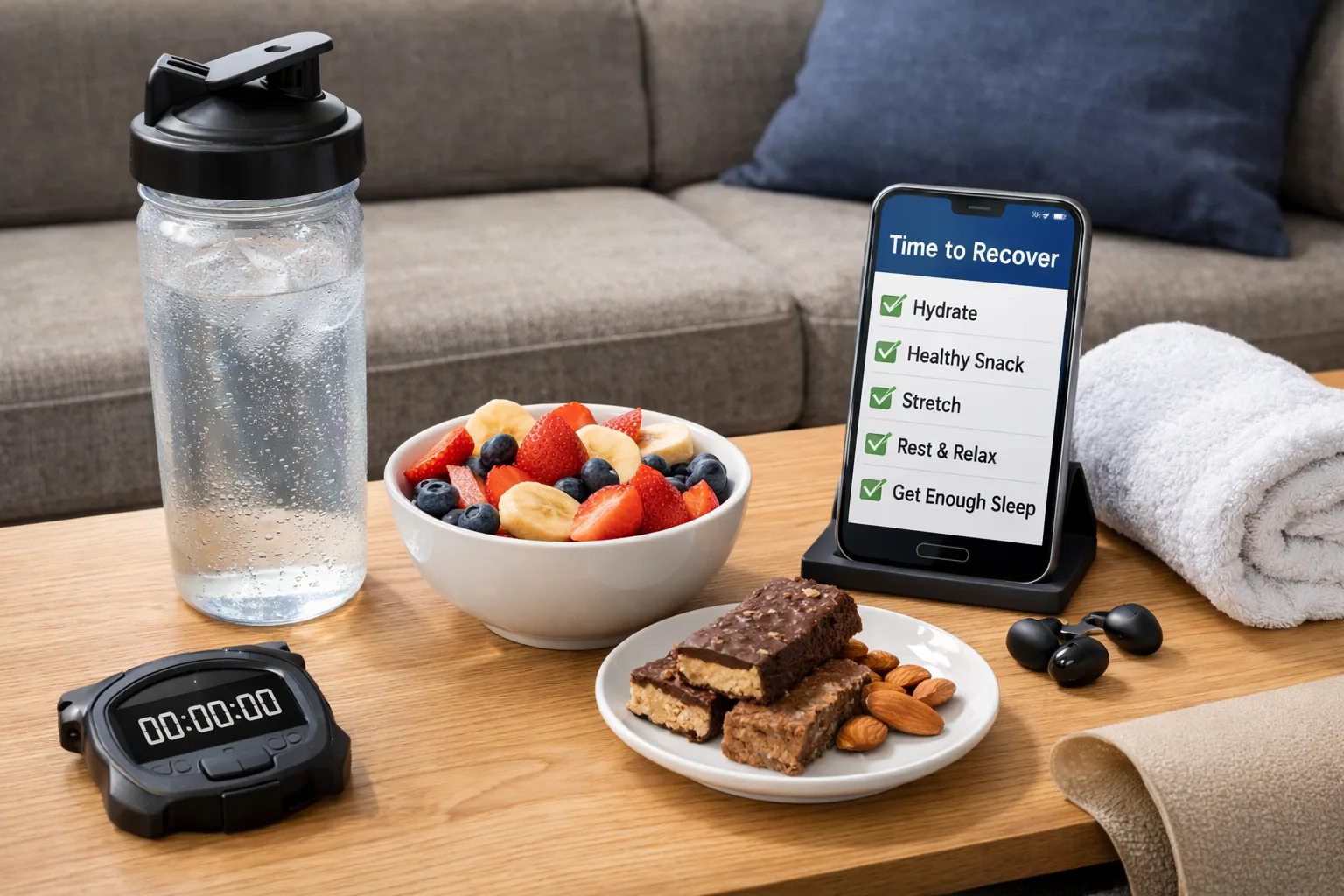
Before starting the recovery process, it's essential to prepare adequately. Make sure you have everything necessary: ample water, nutritious snacks, and a comfortable resting area. Your readiness for recovery can significantly impact its effectiveness. Take time to focus on how you feel after your workout and the steps you'll take to improve. Additionally, consider creating a recovery kit that includes items such as foam rollers, resistance bands, and a yoga mat. This kit can serve as a reminder to prioritize recovery and make the process more enjoyable and effective.
Step-by-Step Action Plan
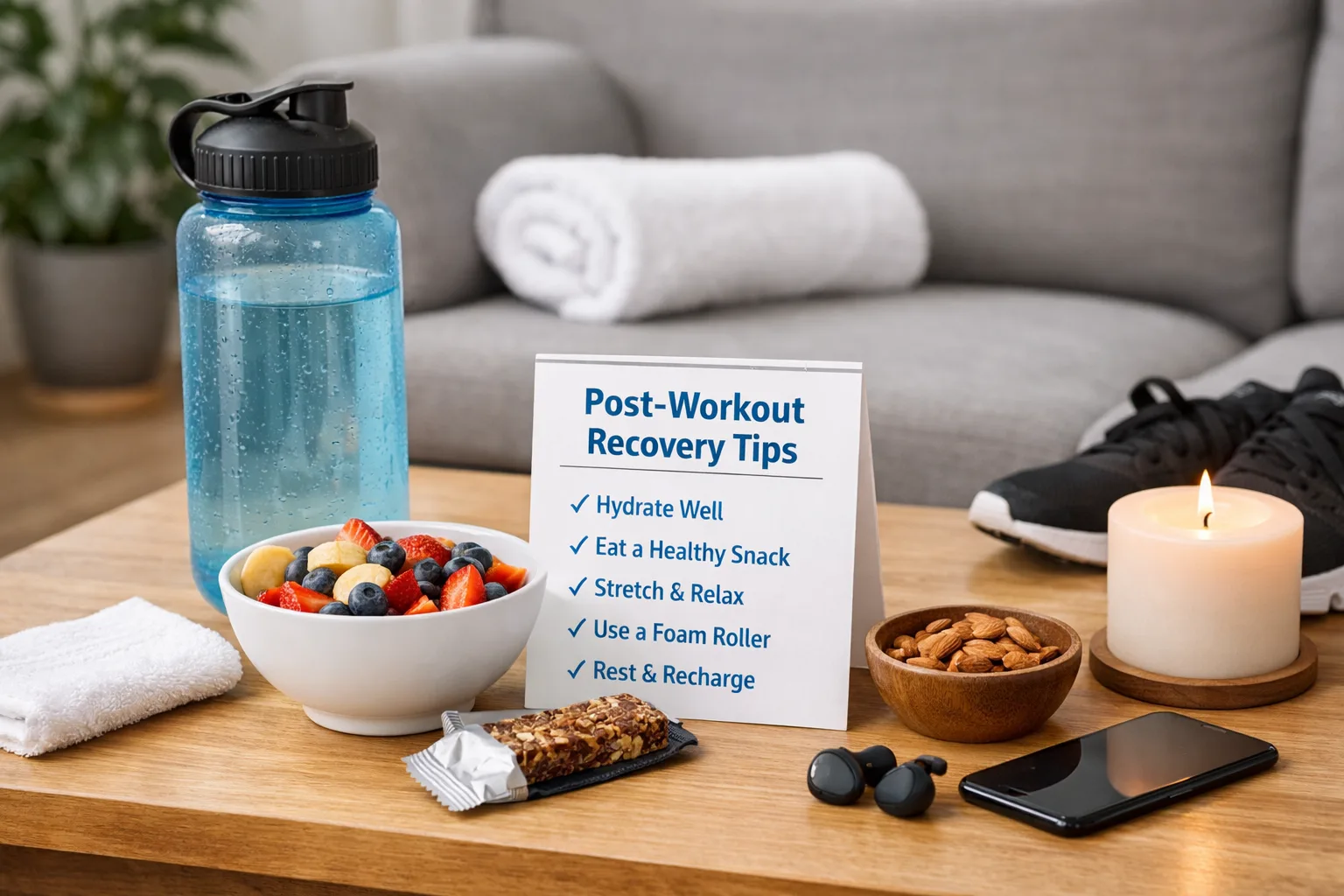
- Hydration: Drink plenty of water after your workout to prevent dehydration. Dehydration can lead to decreased performance, so maintaining fluid balance is crucial. Monitor the color of your urine: if it's dark, it indicates you need to hydrate more. Consider incorporating electrolyte-rich drinks if you've had an intense workout or if you’ve been sweating heavily. This will help replenish lost minerals and support recovery.
- Balanced Nutrition: Incorporate proteins and carbohydrates into your diet. For instance, consider chicken breast with rice or yogurt with fruits. Proteins aid in muscle recovery, while carbohydrates provide energy. Prepare healthy snacks that are easy to grab post-workout, such as protein bars, nuts, or smoothies. These options not only boost recovery but also satisfy hunger and prevent overeating later.
- Stretching: Don’t forget to stretch your muscles after exercising to relieve tension. Stretching enhances flexibility and reduces the risk of injuries. Spend a few minutes stretching major muscle groups: back, legs, and arms. You may also want to explore dynamic stretching before workouts and static stretching afterward, as both types can contribute to better overall flexibility and performance.
- Sleep: Aim for at least 7-8 hours of sleep each night for effective recovery. During sleep, your body repairs muscles and regenerates cells. Try to establish a regular sleep schedule so your body adapts to a consistent routine. Creating a relaxing bedtime routine can also enhance sleep quality; consider practices like reading, meditating, or gentle yoga before bed.
- Active Recovery: Engage in light physical activities like walking or yoga. This helps maintain activity levels without overloading your muscles. Active recovery also improves circulation, facilitating quicker recovery. Incorporate activities that you enjoy, as this will make recovery feel less like a chore and more like a beneficial part of your routine.
Tracking Your Progress
Keep a record of how you feel after each workout and adherence to these tips. This will help you identify what works best for you. Maintain a workout journal where you can document your achievements, changes in how you feel, and any other details that may be beneficial for your recovery. You can also track your hydration levels, nutritional intake, and sleep patterns to gain insights into how these factors influence your recovery process. By analyzing this data over time, you can make informed adjustments to optimize your regimen.
What to Do If Progress Stalls
If you're not seeing improvements, reassess your diet and training schedule. It might be worth consulting a specialist. If you feel stuck in reaching your goals, consider changing your approach to training or recovery. Consulting with a coach or nutritionist can provide new ideas and strategies for improvement. Additionally, consider implementing new recovery techniques such as massage therapy, acupuncture, or hydrotherapy to stimulate healing and address specific areas of concern.
Common Recovery Mistakes
- Inadequate Hydration: Many people fail to drink enough water post-workout, leading to dehydration. This can significantly hinder recovery and performance in subsequent workouts.
- Skipping Meals: Ignoring nutrition after workouts can slow down the recovery process. Make it a priority to refuel your body promptly after exercise.
- Overtraining Without Adequate Rest: The desire for quick results can lead to overloading the body. Remember that rest is just as important as training; without it, you risk injury and burnout.
Conclusion
By following these simple tips, you can recover faster after workouts and reach your fitness goals. Remember that recovery is an integral part of the athletic process. Don’t overlook these recommendations and pay attention to how you feel—your health and results depend on it! Emphasizing recovery will not only enhance your athletic performance but also contribute to long-term health and fitness sustainability. Prioritize these practices consistently, and you’ll likely see significant improvements in your overall athletic journey.
When to seek professional help
Working with an expert becomes necessary when DIY approaches no longer yield results.
- you are spending too much time without visible progress
- the cost of a mistake is too high
- you need a personalized strategy
A qualified specialist will help you achieve your goals faster and avoid common pitfalls.
Specialist Profile
If the material is related to a specialist, a button to go to their public profile may be nearby.
Go to Profile