

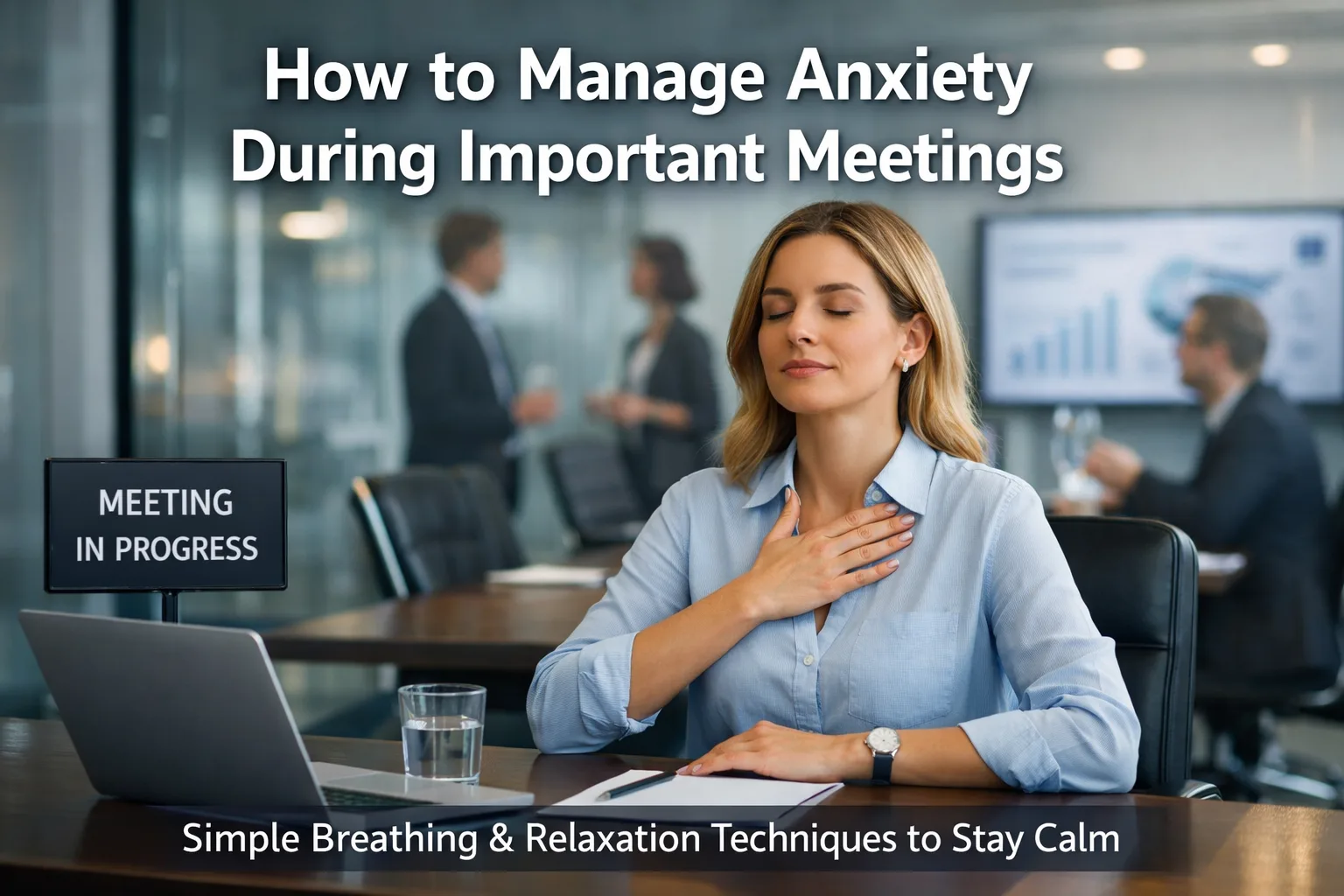
How to Manage Anxiety During Important Meetings
Explore simple breathing and relaxation techniques to reduce anxiety before significant events.
w to control it is crucial.Using Fairy Tales to Enhance Language SkillsMeetings can be stressful environments where the stakes feel high. Whether you are pitching an idea to your boss, interviewing for a new job, or presenting in front of colleagues, the pressure to perform can trigger significant.
- Introduction
- What is Meeting Anxiety in Simple Terms?
- How Does It Manifest in Real Life?
- Why Does It Happen or What Contributes to It?
- Common Mistakes or Self-Destructive Reactions
- What Really Helps in Practice?
- When Is Professional Help Needed?
- Conclusion or Key Takeaway
- When to involve security or IT support
Introduction
Anxiety during important meetings is a common experience that can affect your performance and confidence. Many individuals face this challenge, especially when it comes to business meetings, interviews, or presentations. In this article, we will explore strategies to help you manage anxiety, including straightforward breathing and relaxation techniques. Understanding not only how to overcome anxiety but also why it occurs and how to control it is crucial.
Using Fairy Tales to Enhance Language Skills
Meetings can be stressful environments where the stakes feel high. Whether you are pitching an idea to your boss, interviewing for a new job, or presenting in front of colleagues, the pressure to perform can trigger significant anxiety. However, knowing that you are not alone in this experience can be comforting. Many people struggle with similar feelings, and there are effective strategies to help mitigate these emotions.
How to Support Your Child with Homework Stress-Free
What is Meeting Anxiety in Simple Terms?


Meeting anxiety is characterized by feelings of nervousness or fear before significant events like business meetings, interviews, or presentations. It may be accompanied by physical symptoms such as sweating, trembling, or a rapid heartbeat. Many people experience this anxiety even in familiar situations where there are no real threats. Understanding this anxiety is the first step towards managing it effectively.
How to Encourage Children to Read: 7 Simple Methods
It’s important to recognize that this anxiety is often rooted in our natural instincts. The fear of being judged or evaluated can trigger a fight-or-flight response, leading to physical and emotional reactions. By acknowledging these feelings and understanding their origins, you can begin to develop coping mechanisms.
Psychology and Emotional State
Additionally, meeting anxiety can have various degrees of severity. For some, it may manifest as mild nerves that dissipate quickly, while for others, it can lead to panic attacks or debilitating anxiety that interferes with daily life. Recognizing your own level of anxiety can help you tailor your approach to managing it.
How Does It Manifest in Real Life?

You might feel anxious before a meeting due to the fear of being evaluated or judged. This can lead to avoiding situations where you need to speak publicly or present your ideas. For instance, you may notice your voice trembling or forget key points you intended to discuss. You might also have thoughts about not being able to answer questions or that your ideas won't be taken seriously.
In real-life scenarios, anxiety can manifest in various ways. You may experience physical symptoms such as dry mouth, increased heart rate, or even gastrointestinal discomfort. These symptoms can create a cycle of anxiety; the physical sensations can heighten your feelings of nervousness, which in turn can exacerbate the physical symptoms.
Moreover, meeting anxiety can lead to avoidance behaviors. You might find yourself declining invitations to meetings or avoiding roles that require public speaking. This avoidance can further reinforce your anxiety, making it even more challenging to confront these situations in the future.
Why Does It Happen or What Contributes to It?
Anxiety can stem from various factors: low self-esteem, negative past experiences, or even societal norms. Often, the fear of failure or criticism is a primary cause of anxiety. For example, if you've had negative experiences in previous meetings, you might start associating these situations with discomfort. It's also worth noting that social media and modern culture can amplify the pressure to achieve success and recognition.
Low self-esteem plays a significant role in meeting anxiety. If you doubt your skills or question your value, it can lead to heightened anxiety when faced with the prospect of presenting yourself in front of others. Additionally, societal expectations can create a pressure cooker environment where the fear of not measuring up becomes overwhelming.
Furthermore, cognitive distortions—such as catastrophizing (expecting the worst possible outcome)—can contribute to anxiety. If you tend to focus on the negative aspects of a situation rather than the positive, it can create a mental barrier that makes it difficult to engage fully in meetings.
Common Mistakes or Self-Destructive Reactions
- Avoidance: Avoiding situations that trigger anxiety only exacerbates the problem. The more you avoid these meetings, the more your anxiety increases.
- Negative Thinking: Focusing on potential failures instead of successes can lead to self-sabotage and diminish your confidence.
- Insufficient Preparation: Lack of readiness for a meeting can heighten feelings of anxiety. If you're unsure about what you'll discuss, it may cause additional stress.
These self-destructive reactions can create a vicious cycle that feeds into your anxiety. For instance, if you avoid meetings altogether, you miss opportunities to practice and improve your skills. Similarly, negative thinking can lead to poor performance, which reinforces your belief that you are not capable.
To break this cycle, it's essential to recognize these patterns and actively work against them. This might include setting small goals for yourself, such as speaking up at least once during a meeting or preparing a brief presentation on a topic you feel confident about.
What Really Helps in Practice?
Here are some practical tips:
Implementing coping strategies can significantly reduce anxiety levels and improve your performance during meetings.
- Breathing Techniques: Inhale deeply through your nose for a count of four, hold your breath for four seconds, and exhale slowly through your mouth for a count of six. This helps calm the nervous system and reduce anxiety levels. Practicing this technique before a meeting can create a sense of calm and focus.
- Muscle Relaxation: Practice progressive muscle relaxation by tensing and relaxing different muscle groups. This can help alleviate physical symptoms of anxiety. By systematically relaxing your muscles, you can reduce tension and promote a sense of well-being.
- Visualization of Success: Imagine yourself succeeding during the meeting. Visualizing a positive outcome can shift your emotional perception of the situation. This technique can help build confidence and reduce fear.
- Preparation: Prepare thoroughly for the meeting: think through your points and questions. The more prepared you are, the more confident you'll feel. Creating an outline or practicing with a friend can enhance your readiness.
- Positive Thinking: Replace negative thoughts with positive affirmations about your abilities. For instance, instead of thinking "I can't handle this," say "I am ready and capable of doing this." This shift in mindset can significantly influence your performance.
When Is Professional Help Needed?
If anxiety becomes overwhelming and interferes with your daily life, it may be worth seeking help from a psychologist or therapist. A professional can assist you in understanding the roots of your anxiety and teach you effective strategies to overcome it. Various therapeutic methods exist, such as cognitive-behavioral therapy (CBT), which has proven effective in treating anxiety disorders.
Therapy can provide a safe space for you to explore your feelings and develop coping mechanisms tailored to your specific experiences. Additionally, support groups can offer valuable insights and encouragement from others facing similar challenges.
It’s important to recognize that seeking help is a sign of strength, not weakness. Many successful individuals have benefited from professional guidance in managing their anxiety.
Conclusion or Key Takeaway
Anxiety during important meetings is normal, but you can learn to manage it. Utilize breathing and relaxation techniques, prepare in advance, and shift your focus from negative to positive. Remember, this is just one of many situations in your life, and you have the strength to handle it. With practice and the right strategies, you can transform your anxiety into a powerful tool that enhances your performance rather than hinders it.
Ultimately, managing anxiety is a journey that requires patience and persistence. By implementing these strategies and seeking support when necessary, you can navigate important meetings with confidence and poise.
When to involve security or IT support
Security support becomes important when suspicious signals repeat, affect delivery, or touch accounts, domains, sites, or customer trust.
- spoofing, phishing, spam spikes, or login alerts keep recurring
- mail delivery, domain reputation, or site availability is affected
- logs show unknown devices, unexpected forwarding rules, or suspicious DNS changes
- the issue may involve customer data, credentials, payments, or production systems
If credentials, customer data, or production infrastructure may be exposed, escalate immediately and preserve logs before changing evidence.
Specialist Profile
If the material is related to a specialist, a button to go to their public profile may be nearby.
Go to Profile