

How to Effectively Manage Expenses as a Freelancer
Explore simple expense tracking methods that can help you better manage your finances as a freelancer.

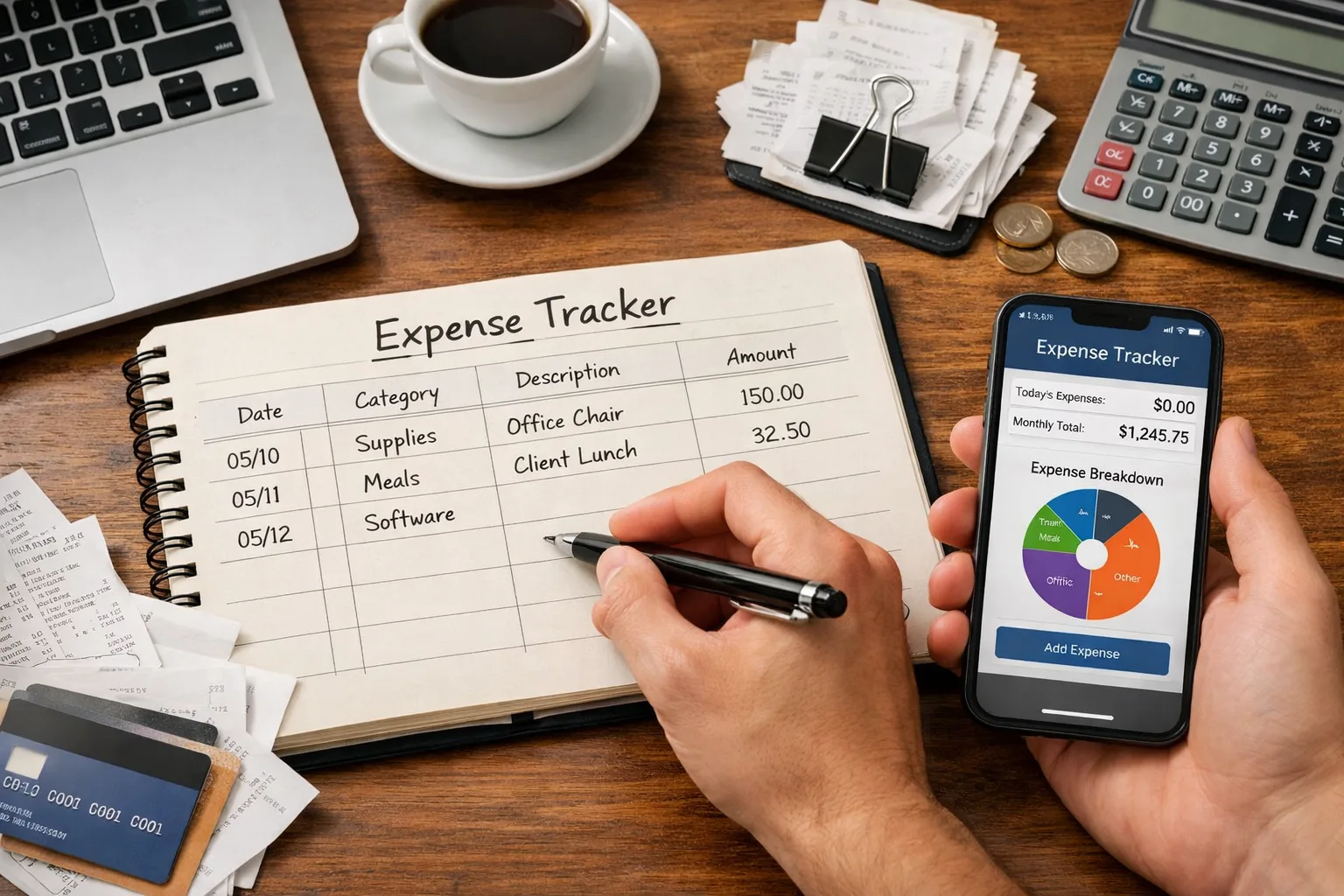
Keeping track of expenses is crucial for freelancers, as it not only helps manage finances but also aids in planning future expenditures. But how can you do this effectively? In this article, we will explore various aspects of expense tracking, offering practical tips and examples to help you organize your financial matters.
Fundamentals of Expense Tracking for Freelancers Expense tracking starts with understanding the costs that you have. These can include: Office expenses (rent, utilities) Equipment costs (computers, software) Advertising and marketing Taxes and fees Training and professional development Travel and client meeting expenses Freelancer services (e.g., accountants or lawyers).
Fundamentals of Expense Tracking for Freelancers
Expense tracking starts with understanding the costs that you have. These can include:
- Office expenses (rent, utilities)
- Equipment costs (computers, software)
- Advertising and marketing
- Taxes and fees
- Training and professional development
- Travel and client meeting expenses
- Freelancer services (e.g., accountants or lawyers)
Every freelancer should recognize that expense tracking is not just a formality; it’s a vital part of managing your business. Accurate tracking influences not only financial stability but also the ability to invest in your growth. It lays the foundation for making informed decisions about your business, allowing you to identify which areas are consuming most of your resources and where you can cut costs.
Real-Life Examples

For instance, if you are a freelance graphic designer, you might incur costs for software licenses, font purchases, or even competition entry fees. All these expenses need to be documented. Another example is a freelance writer who may spend money on subscriptions to literary magazines or books that assist them in their work.
Consider another case: a freelance web developer may have expenses related to hosting, domain names, as well as various plugins and themes for their website. All these costs should be recorded so you can understand the financial outlay of your business. The more detailed your tracking, the easier it will be to evaluate your profitability and areas for improvement.
Let’s look at a more specific scenario. Imagine a freelance photographer who regularly travels for shoots. This individual would need to track not just the cost of travel (flights, gas, accommodation) but also equipment maintenance, insurance, and even marketing expenses for promoting their portfolio online. By categorizing these expenses, they can better assess which activities yield the best return on investment.
Common Mistakes in Expense Tracking
Many freelancers make mistakes in their tracking:
- Failing to keep receipts and invoices, which can lead to issues when preparing tax returns. Without proper documentation, you might miss out on deductible expenses.
- Not regularly monitoring expenses. Without consistent oversight, you may not notice rising costs until it's too late.
- Misclassifying expenses. Incorrect classification can complicate financial reporting and could lead to compliance issues.
- Not utilizing technology for tracking. Many freelancers still rely on paper notebooks, which can be inefficient and prone to loss.
- Failing to budget for future expenses. Without a plan, you risk running short on funds for essential costs.
- Overlooking small expenses that add up over time. Small purchases can accumulate and significantly impact your overall budget.
Simple Tips for Managing Expenses
Here are some tips to enhance your expense tracking:
- Use tracking software: Apps like Mint or Expensify can simplify the process by allowing automatic transaction imports from bank accounts and cards, thus minimizing manual entry errors.
- Keep a daily expense journal: Record all expenses daily to avoid forgetting any. You can use simple Excel spreadsheets or Google Sheets for this purpose. This habit creates accountability and awareness of your spending habits.
- Regularly analyze your finances: Monthly reviews of your finances will help identify trends and opportunities for savings. Determine your largest expense categories and consider ways to reduce them.
- Set limits on certain expense categories: If you tend to overspend on marketing or office expenses, set a budget limit and stick to it. This encourages discipline in your spending.
- Store all receipts electronically: Scan or photograph receipts and save them in a dedicated folder on your computer or in cloud storage. This will help you quickly find necessary information and keep everything organized for tax season.
- Create an emergency fund: Set aside a specific amount each month for unexpected expenses. This will help alleviate stress in case of unforeseen costs and ensure that you are prepared for any financial surprises.
- Consider professional help: If managing expenses feels overwhelming, consider hiring an accountant or financial advisor to help you set up a system that works for you. This investment could save you time and money in the long run.
The Importance of Expense Tracking
Expense tracking is not just about monitoring money; it’s also about making informed decisions. When you know where your money goes, you can better plan your business and invest in your growth. For example, if you see that advertising expenses are bringing in more clients, you might decide to increase the budget for that category.
It’s also important to understand that keeping track of expenses can help you prepare for tax season. Proper documentation of expenses makes it easier to file tax returns and avoid issues with tax authorities. Additionally, having detailed records can protect you in the event of an audit.
Moreover, understanding your financial situation through expense tracking allows you to set realistic financial goals. Whether it’s saving for new equipment or planning a vacation, knowing your cash flow helps you make those dreams achievable.
Summary
Managing expenses as a freelancer can be straightforward if you use the right tools and approaches. Consistency and organization are key to success. Remember, well-organized expense tracking not only makes your job easier but also helps you make better financial decisions in the future. By implementing the strategies discussed in this article, you will not only enhance your financial management skills but also position yourself for sustainable growth in your freelance career.

When to seek professional help
Working with an expert becomes necessary when DIY approaches no longer yield results.
- you are spending too much time without visible progress
- the cost of a mistake is too high
- you need a personalized strategy
A qualified specialist will help you achieve your goals faster and avoid common pitfalls.
Specialist Profile
If the material is related to a specialist, a button to go to their public profile may be nearby.
Go to Profile