

Effective Methods for Studying Complex Topics for Students
Explore effective strategies that can help students understand and retain challenging educational materials.
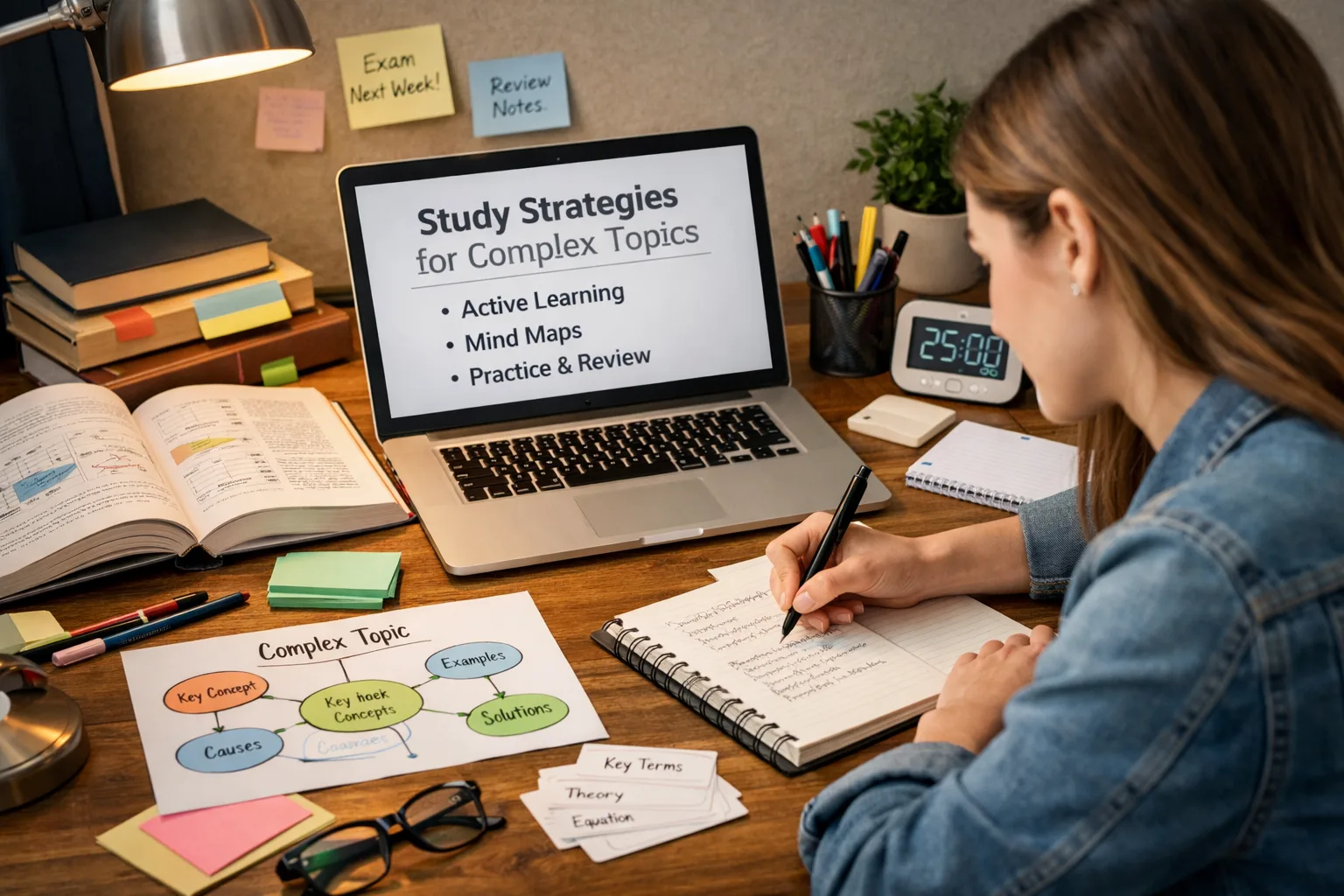
Studying complex subjects can be a daunting task for many students. However, there are numerous effective methods that can aid in mastering difficult educational content. In this article, we will examine several useful strategies to help you tackle your learning challenges.
Active learning is one of the most effective methods. This approach encourages students to engage with the material rather than simply reading or listening.
What methods can assist in studying?
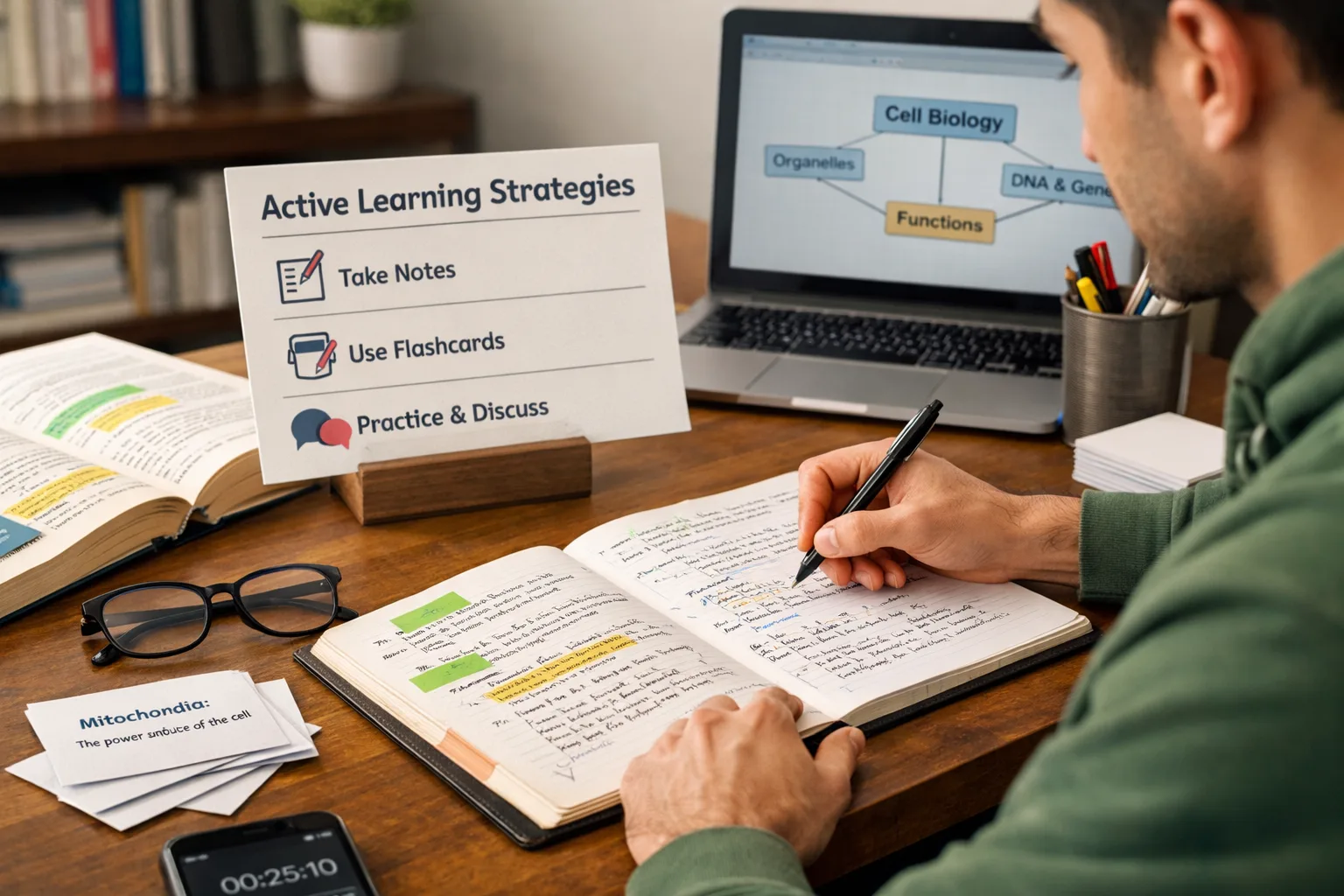
Active learning is one of the most effective methods. This approach encourages students to engage with the material rather than simply reading or listening. Active techniques include a variety of strategies that enhance student involvement and facilitate memory retention.
- Group discussions: Gather with classmates to discuss topics. This allows for diverse perspectives and a deeper understanding of the material. Group discussions foster critical thinking as you defend your viewpoints and listen to others. Engaging in debates or structured discussions can help clarify concepts and challenge assumptions, deepening your grasp of the subject matter.
- Utilizing visual aids: Diagrams, charts, and graphs can assist in memorizing complex concepts. Visualizing information makes it more accessible and comprehensible. For instance, when studying biology, drawing cells or organisms can significantly ease the learning process. Consider using mind maps to connect various ideas, which can help in synthesizing information and identifying relationships between concepts.
- Creating flashcards: This is a fantastic method for reviewing and reinforcing knowledge. You can use flashcards to learn terms, formulas, or key concepts. The interactivity of this method promotes better retention. Try incorporating spaced repetition techniques with your flashcards, as this method has been shown to enhance memory retention by revisiting information at increasing intervals.
- Practice through examples: Use real-world examples to connect theory with practice. For example, when studying economics, try analyzing news articles or real-life cases to understand how theories apply in practice. This not only solidifies your understanding but also makes the material more relevant and engaging.
- Regular review: Revisit material periodically to reinforce knowledge. Employ spaced repetition techniques, which have proven effective in learning research. This helps you avoid forgetting information. Set aside time each week to review past material, making connections with new concepts as you progress in your studies.
Real-life examples

Consider a student studying physics who struggles with quantum mechanics. By employing active learning, he starts discussing the topic with peers, creating diagrams, and making flashcards to review key concepts. As a result, his understanding improves, and he gains confidence in his knowledge. He also begins to relate quantum theories to practical experiments he has conducted, further solidifying his comprehension.
Another example is a history student who decides to create a chronological table of significant events, helping her visualize connections between events and their consequences. Additionally, she discusses topics with friends, which aids her memory through conversation and explanation. By teaching her peers about certain historical events, she reinforces her own understanding and retention of the material.
Common mistakes in studying
Students often make several mistakes that can hinder their learning:
- Information overload: Trying to learn too much material at once can lead to overwhelm. This often causes stress and may result in not remembering anything at all. Aim to break the material into smaller parts and study them gradually. Focus on one concept at a time and ensure you understand it before moving on to the next.
- Neglecting practice: It’s important not only to read but also to apply knowledge practically. For example, when studying mathematics, it’s crucial to solve problems rather than just read theory. Practice solidifies understanding. Incorporate practice tests or exercises into your study routine to assess your comprehension regularly.
- Lack of a plan: Without a clear structure, it can be challenging to stay organized and motivated. Create a study plan where you outline topics and deadlines to keep yourself on track. Break larger goals into smaller, manageable tasks to avoid feeling overwhelmed.
- Procrastination: Putting off studying until the last minute can lead to cramming, which is less effective for long-term retention. Combat procrastination by setting specific goals and deadlines, and hold yourself accountable.
- Studying in a distracting environment: A noisy or chaotic environment can hinder concentration. Find a quiet space where you can focus on your studies without interruptions.
Practical tips for students
Here are some straightforward tips that can enhance your studying:
- Create a schedule: Consistency will help you stay on track. Set specific times for studying each day to make it a habit. Consider using digital calendars or apps that send reminders to keep you accountable.
- Find your learning style: Explore different methods and choose those that work best for you. Some students retain information better visually, while others may prefer auditory or hands-on approaches. Experiment with different study techniques until you find what resonates with you.
- Don’t hesitate to seek help: If you encounter difficulties, reach out to instructors or classmates for support. Collaborative learning can be highly effective. Join study groups where you can discuss challenging topics and share insights.
- Set specific goals: Determine what you want to achieve within a certain timeframe, whether it’s studying a specific number of pages or solving a set number of problems. Setting SMART (Specific, Measurable, Achievable, Relevant, Time-bound) goals can enhance your focus.
- Leverage technology: Use educational platforms and apps to enhance your learning process. There are countless resources available today that can assist you in your studies. Utilize online forums or platforms like YouTube for supplementary explanations on difficult topics.
- Incorporate breaks: Taking regular breaks during study sessions can enhance productivity and prevent burnout. Techniques such as the Pomodoro Technique, where you study for 25 minutes followed by a 5-minute break, can help maintain focus.
Additional learning resources
There are many online resources available to help you study complex topics. Here are a few:
- Khan Academy: A free platform offering video lessons and exercises across various subjects. This resource is particularly helpful for visual learners who benefit from seeing concepts in action.
- Coursera: Online courses from leading universities worldwide. Many courses offer peer-reviewed assignments and community forums for discussion.
- Quizlet: A tool for creating flashcards and quizzes. This platform also allows users to access flashcards created by others on a wide range of topics.
- Duolingo: An app for language learning through interactive exercises. Its gamified approach makes learning engaging and helps reinforce vocabulary and grammar skills.
- edX: Similar to Coursera, edX offers courses from prestigious institutions and allows you to learn at your own pace.
- YouTube educational channels: Channels like CrashCourse and TED-Ed provide informative videos on various topics that can help reinforce what you're studying.
Summary:
Studying complex topics can be made easier with effective strategies. Active learning, group discussions, and the use of visual materials can significantly simplify the process. Be mindful of common mistakes to avoid and adhere to practical tips for successful studying. Don't forget about the resources available to support your learning journey. With the right approach, you can overcome any academic challenges.

When to seek professional help
Working with an expert becomes necessary when DIY approaches no longer yield results.
- you are spending too much time without visible progress
- the cost of a mistake is too high
- you need a personalized strategy
A qualified specialist will help you achieve your goals faster and avoid common pitfalls.
Specialist Profile
If the material is related to a specialist, a button to go to their public profile may be nearby.
Go to Profile